

Ep. 87 - THE COUNT OF MONTE CRISTO - Revenge is Bittersweet
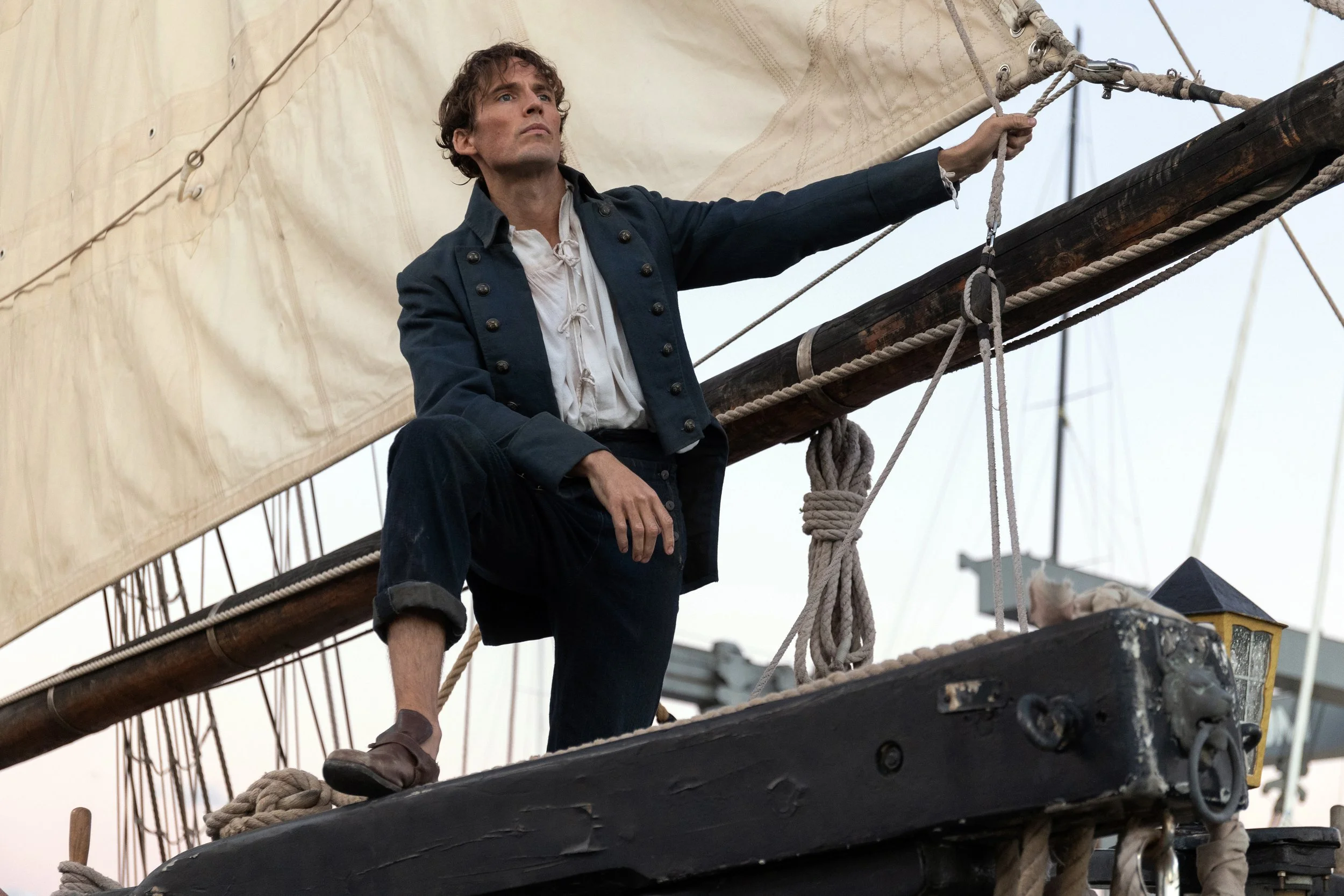
Sam Claflin as Edmond Dantes in the PBS MASTERPIECE series, THE COUNT OF MONTE CRISTO
Is THE COUNT OF MONTE CRISTO a story of revenge or justice?
Is Edmond Dantes’s revenge on his enemies justified?
What makes this revenge story bittersweet?
In episode 87, The Boston Sisters ask these questions about a new adaptation of Alexandre Dumas’s classic epic, THE COUNT OF MONTE CRISTO in a conversation with Norman Allen, senior minister of the First Parish of Portland, ME and an award-winning playwright who's no stranger to adapting the literary works of authors like Alexandre Dumas (The three Musketeers) for the stage.
The new 8-part miniseries adaptation of THE COUNT OF MONTE CRISTO premiers on PBS MASTERPIECE in March 2026 and features Sam Claflin (Daisy Jones and the Six) as Edmond Dantes, a nineteen-year-old sailor who, when falsely accused of treason, is imprisoned without trial in a grim island fortress off Marseille, France. After many years of captivity, Dantes finally escapes and discovers treasure, making him one of the richest men in the world. Under the identity of the Count of Monte Cristo, he plans to take revenge on those who wrongly accused.
PODCAST NOTES
SPOILER ALERT - key moments in THE COUNT OF MONTE CRISTO are mentioned during the conversation.
There’s a brief conversation about a 1985 stage adaptation of THE COUNT OF MONTE CRISTO by American theater director Peter Sellars performed at the John F. Kennedy Center for the Performing Arts in Washington, DC. For more background read Richard Zuglin’s review for Time magazine published June 3, 1985.
“I think the revenge is totally justified. I don’t think that means it was the right choice to make in terms of just being a healthy human being going back into the world.”

Guest: NORMAN ALLEN
Norman Allen’s work has been commissioned and produced by the Kennedy Center, the Shakespeare Theatre Company, Signature Theatre (VA), Olney Theatre Center, and the Karlin Music Theatre in Prague. He received the Helen Hayes Award for Outstanding New Play for In the Garden and the Lucille Lortel Award for his adaptation of Tadeusz Słobodzianek’s Our Class. His solo drama Nijinsky’s Last Dance won the Helen Hayes Award for Outstanding Play prior to productions across the United States, Europe, and South Africa. Norman’s work with Sierra Rep in California includes Dumas’ The Three Musketeers, and The Christmas Foundling, adapted from stories by Bret Harte.
His musical theatre credits include the concert adaptation of Sweet Adeline for Encores! at New York City Center; The Christmas Carol Rag, adapted from the DiWebsiteckens classic; and Frank Wildhorn’s Carmen, which played for more than a decade in Prague and has been produced in Austria, Lithuania, Hungary, South Korea, and Japan. Norman's essays and feature stories have appeared in The Washington Post, Boston Globe, Smithsonian, and Washingtonian, on WAMU-FM (NPRWebsite), and on numerous blogs including OnBeing,Sojourners, Howlround, and Tin House. His work for television includes a series of PBS documentaries on artists ranging from Vincent Van Gogh to John Singer Sargent. An ordained minister, Norman is proud to serve the First Parish Unitarian Universalist congregation in Portland, Maine.
Connect with Norman Allen: Instagram | Website
Special Bonus Episode: Open Book Chocolates - Find out what’s inside the Monte Cristo Chocolate bar and other delicious literary inspirations
The Boston Sisters talk with Geri Gallus, founder & owner (daughter), and Irene Zweig, invaluable assistant (mom) of Open Book Chocolates, a woman-owned, daughter-mother, bean-to-bar chocolate operation inspired by classical literature like Alexandre Dumas's "The Count of Monte Cristo," and Victor Hugo's "Les Miserables." This bonus podcast is a combination foodie and book talk (from page to screen). Geri and Irene also reveal author wish lists, and future flavors for Open Book Chocolates, available online and at select bookstores.

TAKE A DEEPER DIVE INTO THE PODCAST!
Purchase books mentioned in this podcast including The Count of Monte Cristo by Alexandre Dumas, and The Black Count by Tom Reiss from the MBGLtd affiliate page on bookshop.org. Your book purchases support independent booksellers and a small commission supports Historical Drama with The Boston Sisters.
THE COUNT OF MONTE CRISTO
THE COUNT OF MONTE CRISTO, MASTERPIECE (PBS)
Inspired by the 1844 classic serial turned novel by Alexandre Dumas, THE COUNT OF MONTE CRISTO features Sam Claflin as Edmond Dantes, a 19-year-old sailor on a merchant ship. At the moment Edmond is about to be promoted to ship captain and wed his first love and fiancée Mercedes (Anna Giradot), he becomes the victim of a set up by an accountant/colleague named Danglers (Blake Ritson), a childhood “friend” Fernand (Harry Taurasi), and the politically vulnerable deputy prosecutor Villefort (Mikkel Boe Følsgaard).
Edmond Dantes is falsely accused of treason and imprisoned in the grim Chateau d’If island fortress, an actual prison located off the coast of Marseille, France. After many years of imprisonment Edmond comes in contact with an older prisoner, Abbé Faria (Jeremy Irons), who’s devoted years to making an escape by digging through the prison’s thick walls only to find himself in Edmond’s cell.
The Abbé brings Edmond hope and tells Edmond about a great treasure and advises him to use it for good. The two men make plans for their escape and life after prison. But it’s Edmond who’s the benefactor of their grand plans. After escaping prison, Edmond discovers the hidden treasure, and with his new-found wealth reinvents himself as the Count of Monte Cristo. The Count vows to take revenge on the men who have risen in status, influence and wealth after betraying Edmond Dantes.
Official MASTERPIECE webpage
Who was ALEXANDRE DUMAS and what was the inspiration for The Count of Monte Cristo?
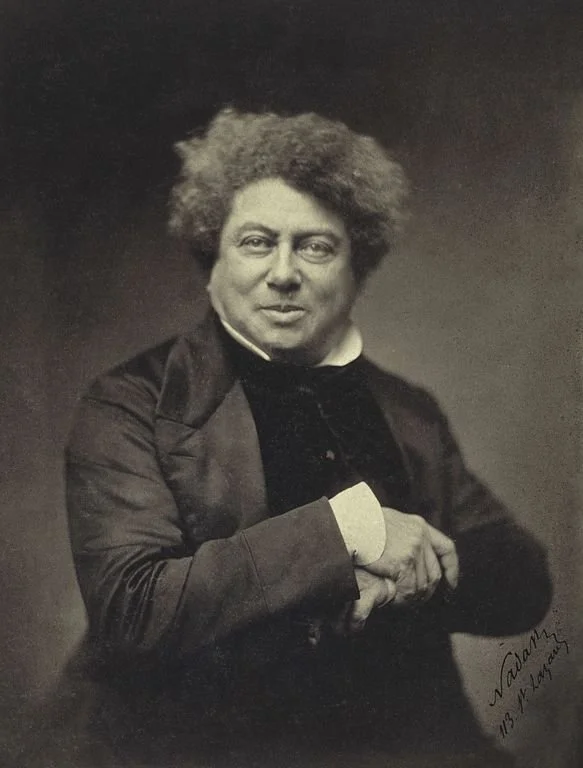
Best known for The Three Musketeers, Alexandre Dumas (1802 - 1870) began his writing career as a playwright before mastering serial fiction. While he frequently collaborated on outlines and research, the dramatic flourishes remained uniquely his. His output is so vast that unknown works are still being discovered today.
Alexandre Dumas was born in Villers-Cotterêts, France where his parents met and married. His mother, Marie Louise Élisabeth Labouret, was a hotel landlord’s daughter. His father, Thomas-Alexandre Dumas, was a legendary French Revolutionary general born in Saint-Domingue (now Haiti) to a French aristocrat, Alexandre Antoine Davy de la Pailleterie, and an enslaved African woman, Marie-Cessette Dumas.
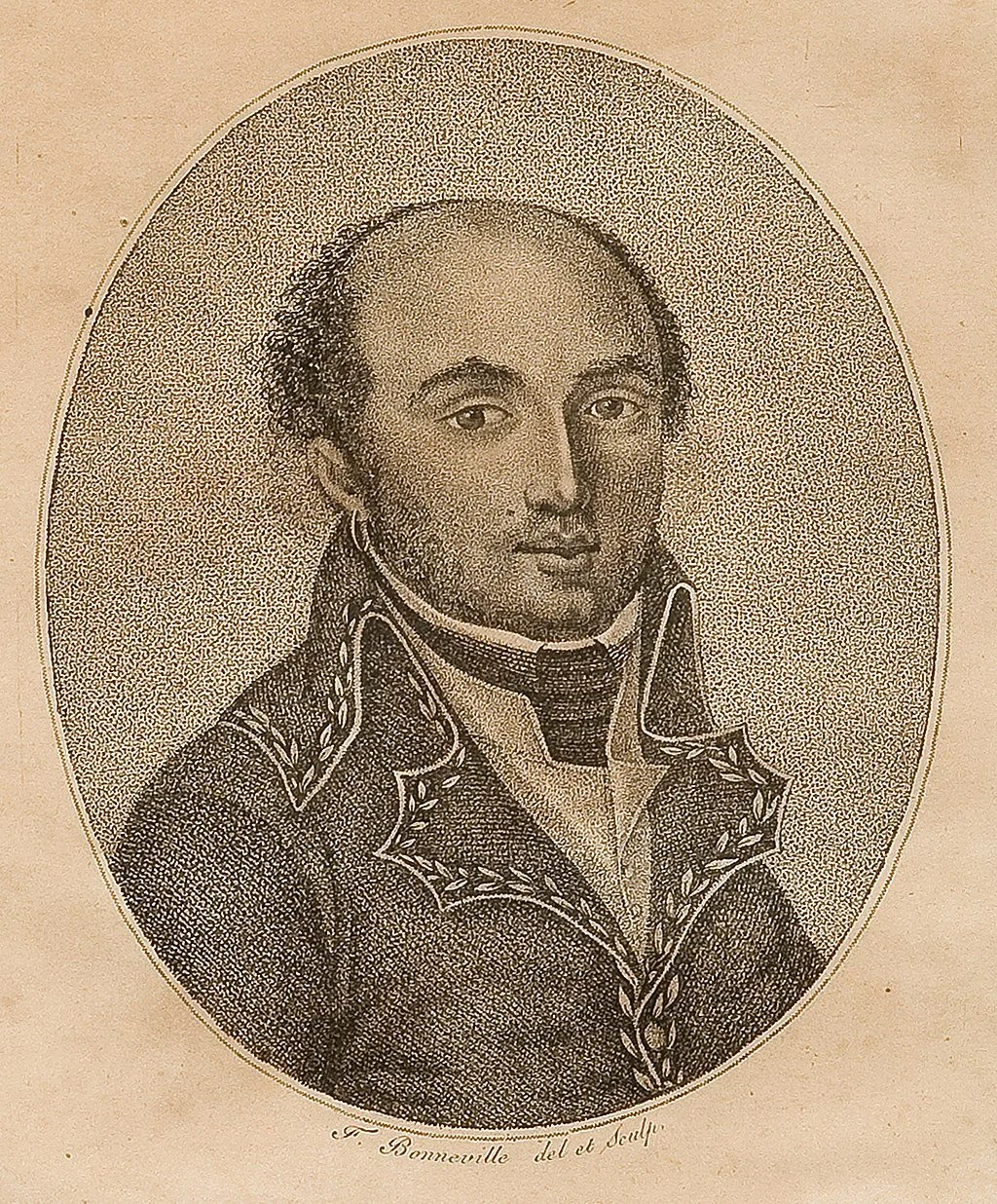
The Count of Monte Cristo is inspired by true-crime stories found in police archives, and Alexandre Dumas’s father’s life. In 1798, during the French invasion of Egypt, Napoleon Bonaparte—feeling threatened by General Dumas’s charisma and military success—betrayed his former friend. When General Dumas attempted to return home from the failed Egyptian campaign, he was captured in Naples and imprisoned for years.
Napoleon ignored the family's pleas for help. Though eventually released, General Thomas Alexandre Dumas never recovered from the hardship and died five years later. This narrative of betrayal and wrongful imprisonment became part of the emotional bedrock of Alexandre Dumas’s most famous tale of vengeance.
Photo of Alexandre Dumas 1855. Engraving of General Thomas Alexandre Dumas (1762-1806)
More information about Thomas Alexandre Davy de la Pailleterie Dumas is available in the 2013 Pultizer Prize-winning biography The Black Count by Tom Reiss (available in the podcast affiliate bookstore).
Also visit the Dinner with Dumas tumblr blog by podcast co-host Michon Boston, inspired by the life and life with food of Alexandre Dumas.